The Benefits of STACKing Biological Testing Instruments
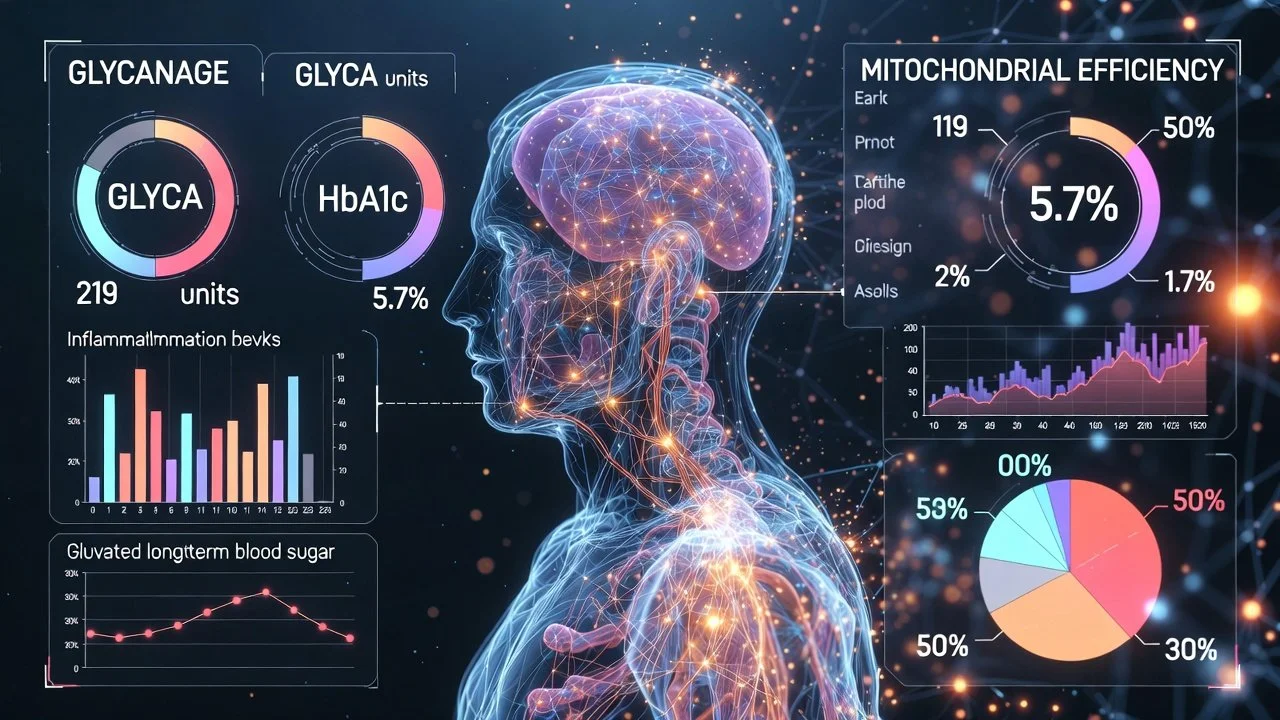
Analysis of the Benefits of Advanced Blood Biomarker Testing, GlycanAge Test, and Mitochondrial Efficiency Testing with MeScreen
Advanced blood biomarker testing, the GlycanAge test, and mitochondrial efficiency testing via MeScreen represent cutting-edge tools in personalized and preventive medicine. These tests go beyond traditional diagnostics by providing deep insights into metabolic, inflammatory, and cellular processes, enabling early intervention, tailored lifestyle adjustments, and optimization of healthspan. While each focuses on distinct aspects—biomarkers for broad health profiling, glycans for biological aging and inflammation, and mitochondria for energy production—they complement one another for a holistic view of wellness. Below, I analyze the key benefits of each, drawing from scientific and clinical perspectives as of early 2026.
1. Advanced Blood Biomarker Testing
This refers to comprehensive panels that analyze a wide array of blood-based markers (often 50+), including proteins, metabolites, hormones, and lipids, using technologies like mass spectrometry. Unlike standard blood work (e.g., basic CBC or lipid panels), these tests offer a multi-dimensional snapshot of physiological function.
Key Benefits:
Early Detection and Risk Assessment: These tests identify imbalances in metabolic function, inflammation, nutrient levels, and hormonal balance before symptoms manifest, allowing for proactive management of conditions like diabetes, cardiovascular disease, or cancer. For instance, they can detect subtle shifts in biomarkers linked to hundreds of disease states, reducing heterogeneity in clinical outcomes and improving epidemiologic studies.
Personalized Health Optimization: Results enable data-driven decisions on nutrition, supplements, and lifestyle, tailoring interventions to individual biology. This precision can enhance longevity, mental clarity, and performance, far surpassing generic advice.
Monitoring Progress and Treatment Efficacy: Serial testing tracks responses to therapies or changes, such as in cancer treatment where biomarkers guide targeted drugs or immunotherapies, potentially improving survival and quality of life.
Limitations and Considerations: While powerful, not all biomarkers are equally predictive for everyone; results should be interpreted by a healthcare provider to avoid over-medicalization.
Overall, advanced biomarker testing empowers a shift from reactive to preventive care, potentially reducing healthcare costs through earlier interventions.
2. GlycanAge Test
The GlycanAge test measures biological age via glycan profiles on immunoglobulin G (IgG) from a finger-prick blood sample. Glycans are sugar molecules that reflect chronic inflammation (inflammaging), a root cause of aging and disease.
Key Benefits:
Accurate Biological Age Determination: It provides a more reliable indicator of health than chronological age, predicting risks for diseases like diabetes, circulatory issues, and pneumonia years in advance. Backed by over 30 years of research and 350+ studies, it responds quickly (months) to lifestyle changes, unlike slower epigenetic clocks.
Inflammation and Immune Health Insights: By quantifying low-grade inflammation, it acts as a "warning system" for immune dysregulation, helping identify how stress, diet, or hormones accelerate aging. This is especially useful for skin health, perimenopause, and longevity optimization.
Personalized Interventions: Results guide targeted plans, such as anti-inflammatory diets or supplements, with follow-up testing showing improvements. It's sensitive to biohacking efforts, making it ideal for tracking wellness journeys.
Limitations and Considerations: It's not diagnostic but predictive; individual variability (e.g., genetics) affects results, and it's most effective when combined with clinical advice.
This test bridges lifestyle and biology, offering actionable data to slow aging and prevent chronic conditions.
3. Mitochondrial Efficiency Testing with MeScreen
MeScreen (stylized as mescreen™) is an at-home blood-based test that assesses mitochondrial function through a 12-matrix panel, using AI and imaging to evaluate energy production, reactive oxygen species (ROS), and cellular dynamics. Mitochondria are the "powerhouses" of cells, and their efficiency declines with age, stress, or disease.
Key Benefits:
Comprehensive Energy Profiling: It quantifies basal ROS under stress, mitochondrial structure, and integrity, providing a personalized "energetic profile" to identify dysfunction linked to fatigue, metabolic disorders, or neurodegeneration.
Early Identification of Cellular Issues: By simulating mitochondrial stress, it detects inefficiencies before symptoms like chronic fatigue or muscle weakness appear, aiding in risk assessment for conditions such as diabetes or heart disease.
Tailored Optimization Strategies: Results include expert consultations for recommendations on nutrition, exercise, or supplements (e.g., NAD+ boosters) to enhance vitality. It's validated by NASA-derived methods and useful for research or personal biohacking.
Limitations and Considerations: As a newer tool (launched around 2025), long-term data is emerging; it's not a standalone diagnostic and works best with professional interpretation.
MeScreen fills a gap in cellular energy assessment, supporting peak performance and resilience against aging-related decline.
Integrated Analysis and Combined Value
When used together, these tests create a synergistic framework: Advanced biomarker testing offers a broad baseline, GlycanAge adds an aging/inflammation lens, and MeScreen dives into energy mechanics. This trio can reveal interconnected issues (e.g., inflammation impairing mitochondrial function, detected via biomarkers), enabling hyper-personalized protocols that address root causes rather than symptoms. Benefits include reduced disease risk, enhanced longevity, and cost savings through prevention—potentially adding healthy years to life.