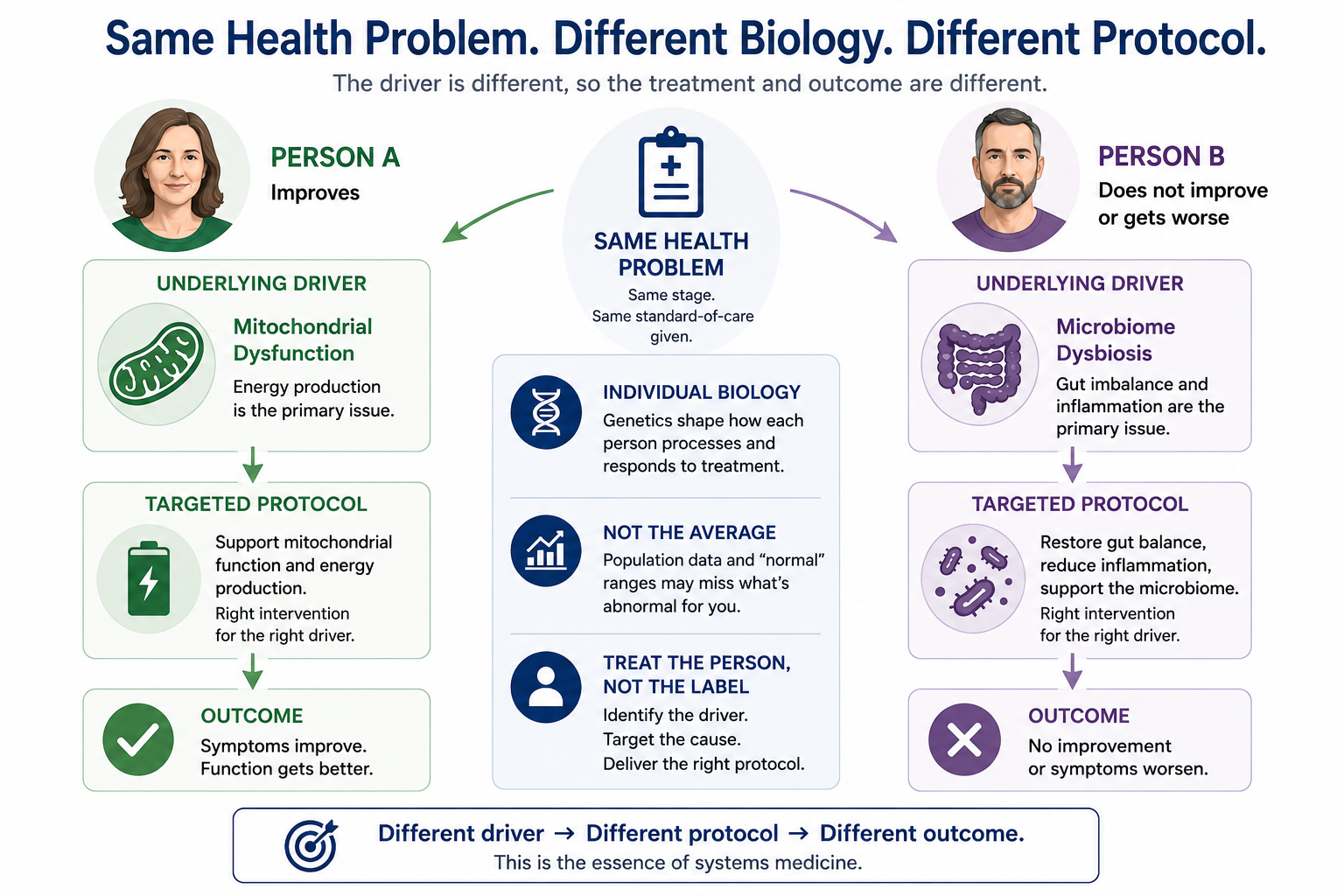
Why two people with the same health problem may need different protocols.
Conventional care sorts patients into disease states and matches each to a standard of care. That system is not wrong — but it stops one layer short of the individual biology that decides how a given person's systems actually run. Here is the evidence for that layer, and why reading it is a learnable clinical skill.
A practitioner sees two patients in one afternoon. Same diagnosis, same stage, same standard-of-care protocol. One improves. One does not — or gets worse. Nothing in the chart explains the divergence, because the thing that explains it was never on the chart. It sits one layer beneath the diagnosis: the individual biology that determines how each person's systems process the very intervention they were both given.
This is the premise of systems medicine, and it is not fringe. It is the direction the field has been moving for two decades. Leroy Hood and colleagues framed it as P4 medicine — predictive, preventive, personalized, and participatory — grounded in the recognition that disease emerges from perturbed biological networks that differ from person to person, and that treating the network rather than the label is where medicine is headed.[1] The Woods Method is a structured, teachable way of doing exactly that: reading the individual layer first, then letting the treatment go where that person's biology points.
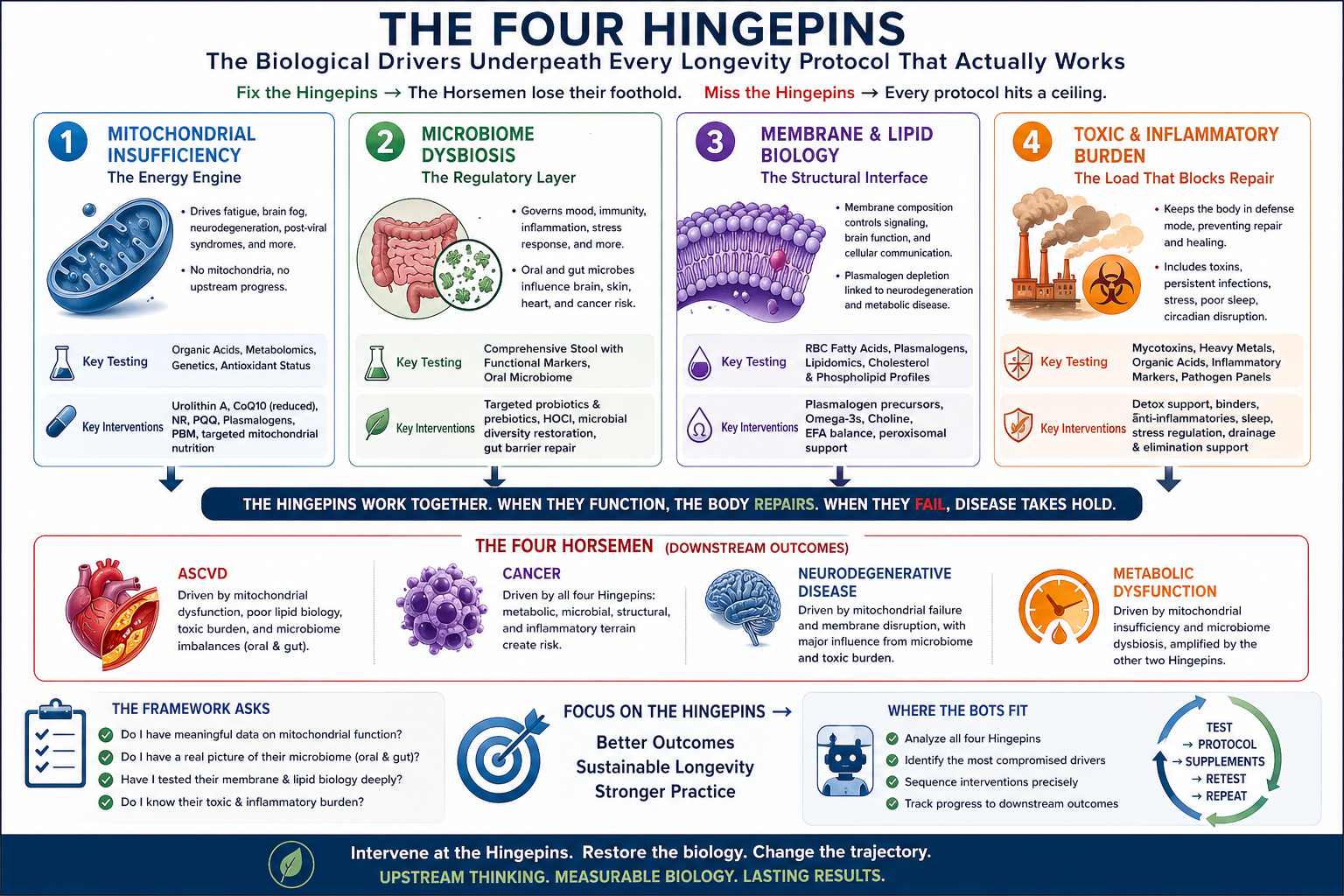
The Four Hingepins: The Biological Drivers Underneath Every Longevity Protocol That Actually Works
If the Four Horsemen describe what kills, the Four Hingepins describe what breaks first. Mitochondrial insufficiency, microbiome dysbiosis, membrane and lipid biology, and toxic and inflammatory burden — these are the upstream biological drivers that, when dysregulated, give rise to the disease categories responsible for most premature mortality. Understanding them is the difference between treating downstream symptoms and intervening where the leverage actually lives.
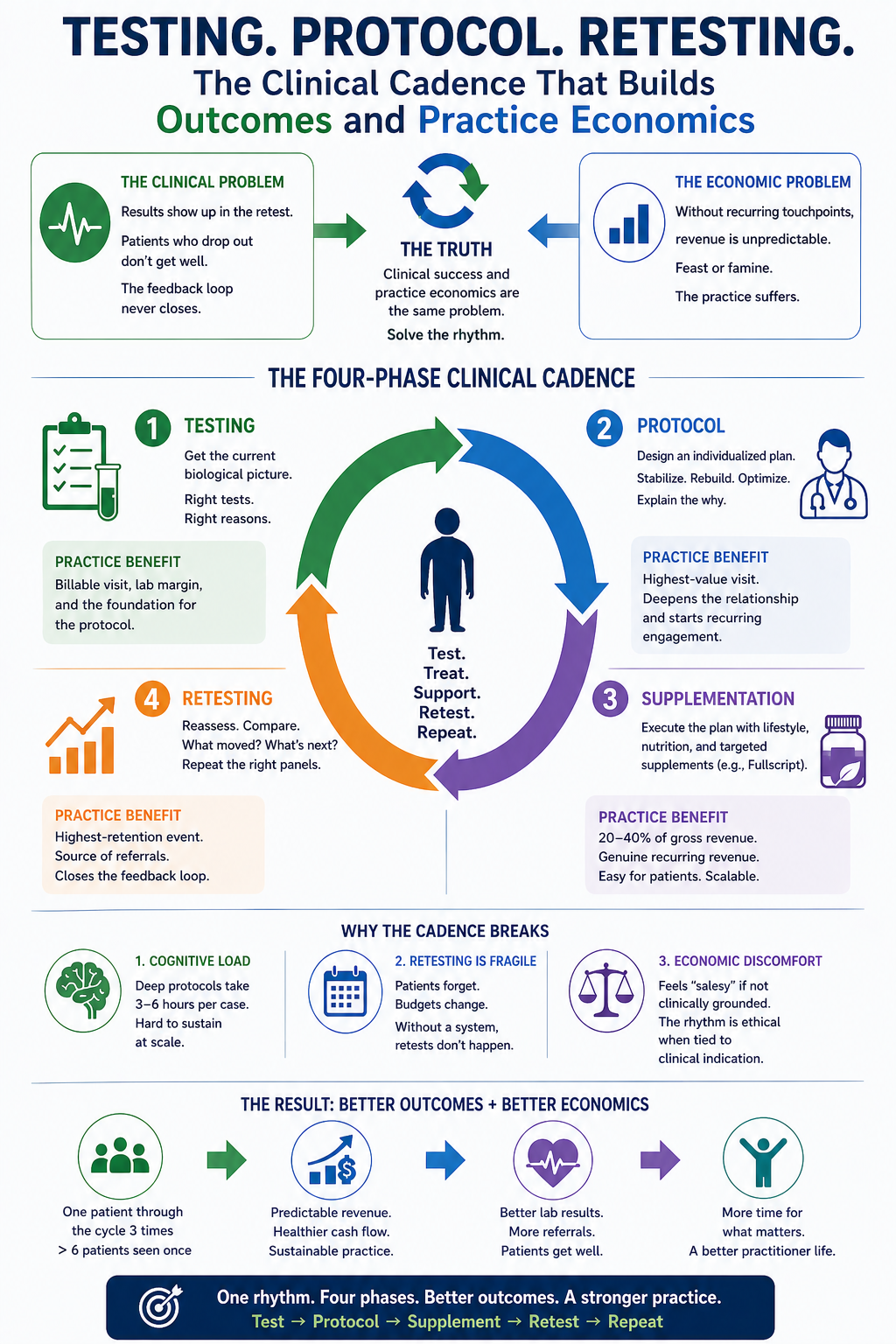
Testing, Protocol, Retesting: The Clinical Cadence That Builds Both Outcomes and Practice Economics
The bottleneck on a precision longevity practice is rarely skill. It is time. Hours spent designing one-off protocols for clients who never come back. Evenings lost to literature review for cases that need follow-through, not deeper research. The Testing → Protocol → Retesting cadence solves this by structuring recurring clinical contact into the protocol itself — turning each client into a relationship rather than a transaction.
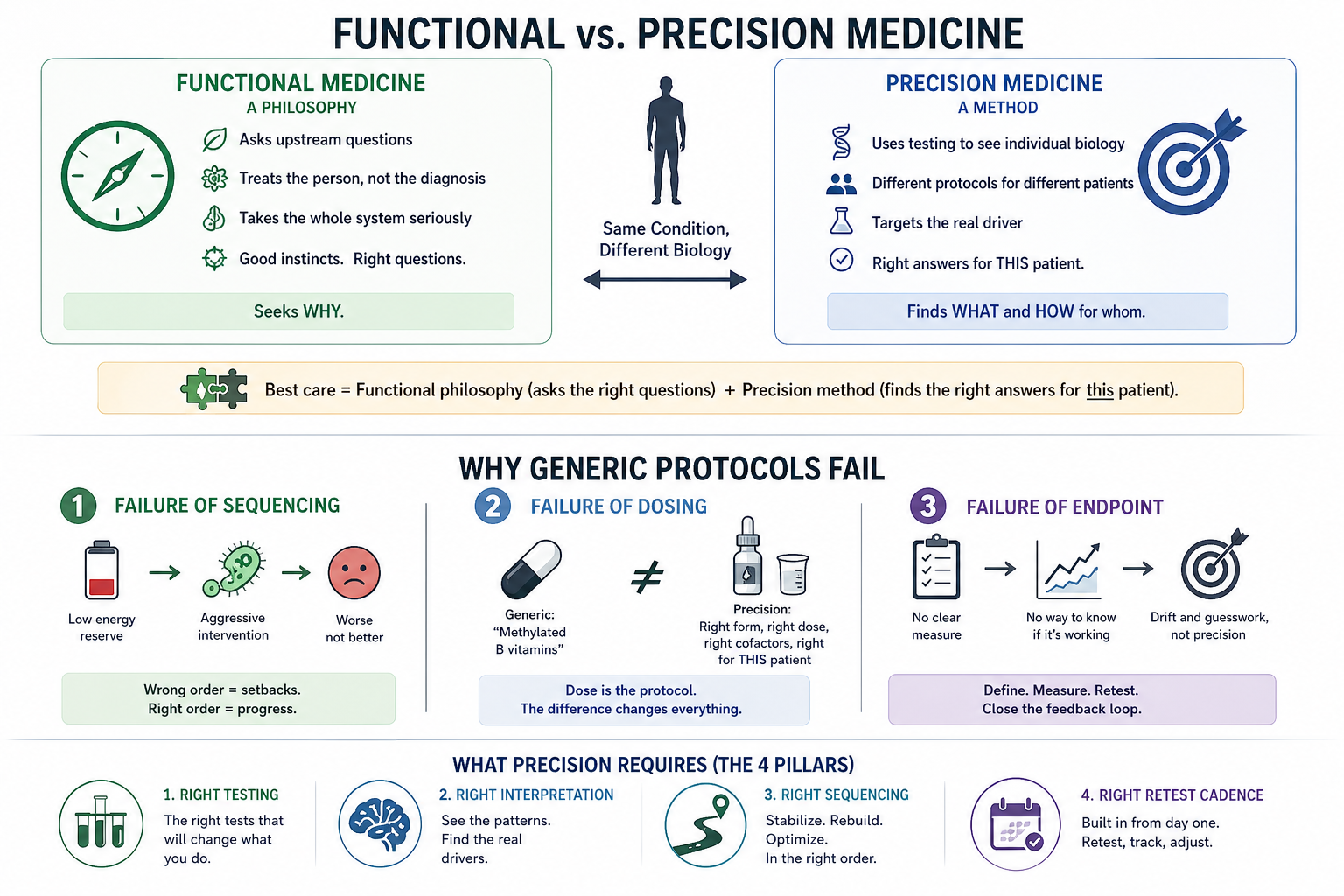
Why Most Functional Medicine Protocols Fail the Precision Test
"Personalized medicine" has become a marketing term. Most personalized protocols are universal protocols with the patient's name on top — the same supplement stack, the same intervention pathways, applied to thousands of patients with vastly different genetics, biomarkers, and disease drivers. Real precision is something else entirely: clinical reasoning that adapts to the individual patient. Here is how to tell the difference — and why it matters for your practice.
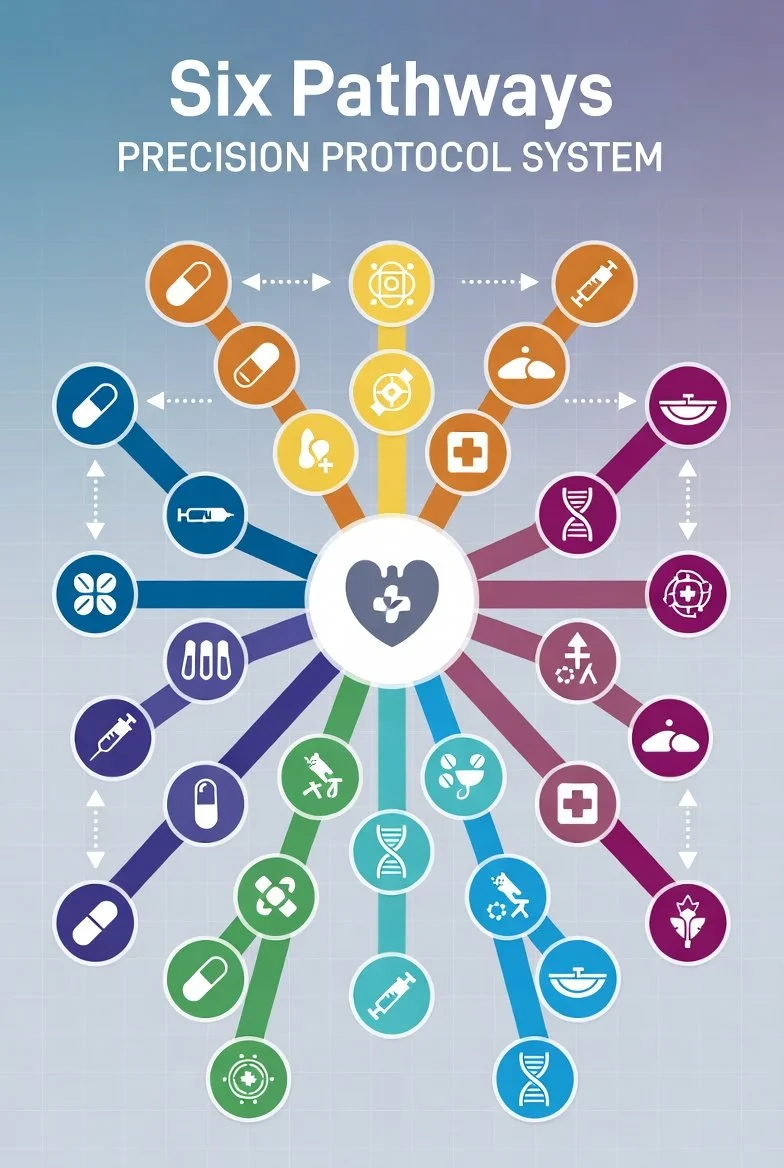
The Six Pathway Methodology: Why Precision Medicine Demands Adaptive, Not Fixed, Frameworks
A patient with cardiovascular disease and a patient with early Parkinson's share virtually nothing at the intervention level. So why do most clinical frameworks force them through the same pathway buckets? The Six Pathway Methodology rejects the fixed-pathway approach. Instead, it identifies the six intervention pathways with the highest evidence-based impact for each specific disease state and patient — drawn from current research, weighted by clinical leverage, applied with precision.

SILENT REFLUX • LPR • Laryngopharyngeal Reflux
You've been clearing your throat for months. You've been told everything is normal. It isn't.
Laryngopharyngeal reflux — LPR — is one of the most commonly missed diagnoses in modern medicine. Not because it's rare. Because it's silent. No heartburn. No obvious acid. Just a persistent cough, a lump that won't shift, a voice that isn't quite right anymore, and a growing frustration that no one seems to have an answer.
The reason most treatments fail isn't a mystery. Acid suppression targets acid. But the real culprit in LPR is pepsin — a digestive enzyme that remains active on your throat tissue long after the reflux event has passed, reactivating with every sip of coffee, every acidic food, every slight change in pH. PPIs don't touch it.
The good news: the research has moved on, even if standard care hasn't. A multi-pathway approach addressing pepsin directly, restoring the gut microbiome, repairing the mucosal barrier, and retraining the nervous system produces outcomes that acid suppression alone never will.
Your throat has been trying to tell you something. It's time to listen.

Triple Threat-NAD+,5-Amino 1 MQ and MOTS-C Current Research
The “Triple Threat” is a combined injectable formulation uniting three mechanistically distinct compounds—NAD+ (nicotinamide adenine dinucleotide), 5-Amino-1MQ (5-amino-1-methylquinolinium), and MOTS-c (mitochondrial ORF of the 12S rRNA type-c)—into a single subcutaneous injection targeting metabolic optimization, cellular energy restoration, and longevity.
The rationale for combining these three agents rests on convergent but non-redundant pathways: NAD+ directly replenishes the central redox cofactor that declines with age; 5-Amino-1MQ inhibits NNMT, the enzyme that degrades NAD+ precursors, thereby preserving and amplifying NAD+ pools; and MOTS-c activates AMPK, independently driving glucose utilization, fat oxidation, and mitochondrial biogenesis. Together, they create a multi-layered approach to restoring cellular energy metabolism.
Important caveat: The evidence base for each individual component comes primarily from preclinical (cell culture and animal) studies, with limited human clinical data. None of these compounds are FDA-approved therapeutics. The combined “Triple Threat” formulation has no published clinical trial data. This review synthesizes the available mechanistic and preclinical research to inform clinical decision-making.

Melatonin - It’s not just for SLEEP and YOU NEED TO TAKE IT.
The body of evidence accumulated over six decades—from Reiter’s foundational discoveries through the detailed mechanistic work of Hardeland, Pandi-Perumal, Mayo, and many others—establishes melatonin as far more than a sleep hormone. It is a pleiotropic molecule operating through at least five distinct antioxidant mechanisms, functioning as a selective anti-inflammatory agent, serving as an endogenous mitochondria-targeted protectant, and demonstrating meaningful oncostatic properties in both preclinical models and clinical trials.
For practitioners in precision medicine and longevity science, several actionable insights emerge from this research. The age-related decline in both pineal and mitochondrial melatonin production creates a progressive deficit that compounds across multiple hallmarks of aging—from oxidative stress and mitochondrial dysfunction to inflammaging and immune senescence. Melatonin supplementation, dosed in the evening to respect circadian physiology, offers a remarkably safe intervention that addresses multiple aging pathways simultaneously. Measuring only parent melatonin levels may underestimate total protective capacity, given the bioactive scavenger cascade through AFMK and AMK. Dietary sources rich in melatonin (tart cherries, nuts, mustard seeds, certain medicinal herbs) provide complementary nutritional strategies. And the emerging evidence for melatonin in cancer adjuvant therapy, neuroprotection, and cardiovascular protection—while requiring further large-scale trials—reinforces the importance of this molecule in comprehensive longevity protocols. As Reiter himself wrote in 2016, melatonin “under promises but over delivers.” The accumulated evidence bears this out—and the clinical frontier of melatonin research continues to expand.

The Silent Hormone Crisis: How Plastics, Food Quality, and Outdated Lab Ranges Are Failing Women's Health
We are living in an unprecedented era of environmental hormonal assault. Plastics and their chemical additives disrupt every major endocrine axis. Our food supply delivers fewer of the nutrients women's bodies need to produce, convert, and utilize hormones. And the laboratory standards designed to catch disease were never calibrated to identify optimal function — particularly in women.
The convergence of these three factors creates a silent epidemic: women whose hormonal systems are being degraded by toxic exposure and nutrient depletion, but whose standard blood work shows "normal" results because the reference ranges themselves reflect a population that is already compromised.
Precision medicine, functional testing, environmental awareness, and a return to nutrient-dense food are not luxury approaches — they are urgent necessities. Women deserve laboratory ranges that reflect thriving, not merely the absence of overt disease. They deserve practitioners who test comprehensively and listen to symptoms rather than dismissing them based on outdated statistical averages.
The hormone crisis is real. The science is clear. And the solutions are within reach — if we are willing to look beyond "normal."

The Silent Collapse: Why a 30-Year-Old Man Today Has His Grandfather's Testosterone Level at 50 And Why Your Lab Report Won't Tell You
There's a health crisis hiding in plain sight. A 30-year-old man today has testosterone levels that would have been considered clinically low in his grandfather's generation. But when he gets his labs checked, he's told everything is "normal."
How is this possible?
Because the reference ranges—the numbers used to determine if you're healthy—have been quietly adjusted downward as the population declined. The bar dropped. And nobody told you.
This isn't speculation. It's published research. And the implications—for individual men, for families, and for our society—are staggering.

The entire foundation of modern healthcare—the lab ranges, the guidelines, the "normal" values—is built on a LIE. Why "Normal" Lab Results Don't Mean You're Healthy
Blood test reference ranges are used to assess if we are “healthy”. But reference ranges are based on people that are sick. Research shows that these ranges have fallen, in fact nose dived in the last 40 years. We are now being sabotaged because EVERYONE is sick, and a clear understand what being well is, and how to measure it is not well known. We need a DIFFERENT PATH. And there is one.

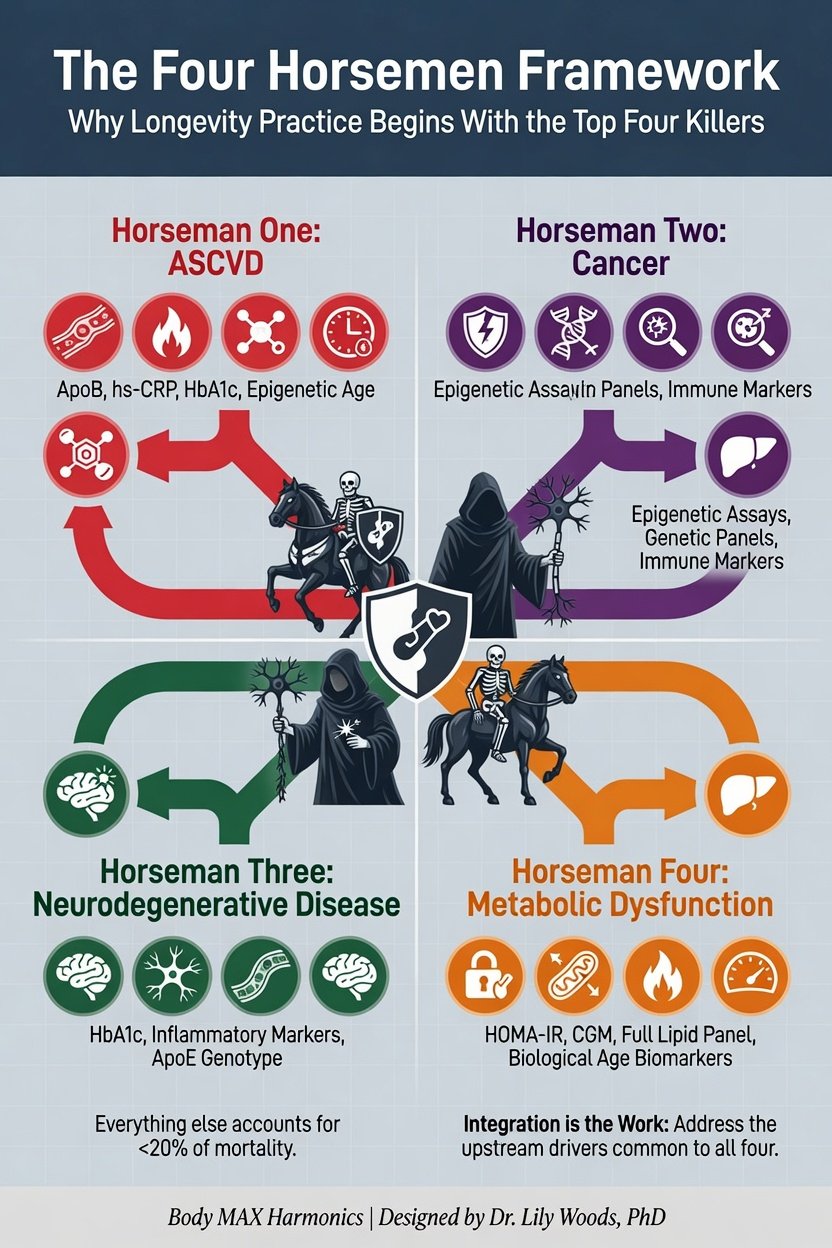
The Four Horsemen of Disease: A New Framework for Extending Healthspan
The Four Horsemen of Disease: Why Your Cholesterol Number Means Almost Nothing
An excerpt from the complete guide to advanced biological testing and precision longevity medicine
For half a century, we've been told that cholesterol is a numbers game: lower your LDL, reduce your risk Yet clinical reality tells a different story:
People with "normal" cholesterol die of heart attacks.
People with "high" cholesterol live into their 90s without disease.
Statin trials show modest benefits that don't align with cholesterol reduction alone.
The truth: What shortens lifespan is not cholesterol concentration—it's chronic exposure to atherogenic lipoproteins that infiltrate arterial walls, trigger inflammation, and build plaque over decades.
Standard lipid panels—total cholesterol, LDL-C, HDL-C, triglycerides—are 20th-century metrics. They tell you what's in your blood, not what's happening in your arteries.
What Actually Drives Heart Disease:
Particle number, not cholesterol mass. Small, dense LDL particles penetrate vessel walls more easily than large, buoyant ones—even at the same LDL-C level.
ApoB is the smoking gun. Every atherogenic particle carries one ApoB protein. ApoB count predicts cardiovascular events better than LDL cholesterol—yet most doctors never measure it.
Inflammation amplifies damage. Oxidized LDL and chronic inflammatory signaling accelerate plaque formation exponentially.
Insulin resistance worsens everything. High insulin drives production of small, dense LDL and triglyceride-rich remnants—the most dangerous particles.
Time under exposure matters most. ASCVD is a cumulative disease. A 40-year-old with moderately elevated ApoB faces higher lifetime risk than a 70-year-old with the same level.
But here's what conventional medicine misses entirely: cardiovascular disease doesn't exist in isolation.
The same biological failures that create heart disease also drive cancer, neurodegeneration, and metabolic dysfunction. Together, these Four Horsemen account for over 80% of premature death—and they share the same upstream roots:
Chronic inflammation
Immune dysfunction
Metabolic stress
Epigenetic dysregulation
Accelerated biological aging
You don't need four different prevention strategies. You need to address the shared biology that creates all four.
This is why Body MAX Harmonics uses layered biological assessment—integrating advanced lipid testing, genetics, epigenetics, immune markers, and biological aging data into a unified picture of disease risk.
Not after symptoms appear. Decades before.
Disease is not random. Genetics load the gun. Environment pulls the trigger. Data shows you where to intervene.
Read the complete article to discover how precision testing reveals your personal risk profile—and the exact interventions that will extend both your lifespan and healthspan.

5 Blood Biomarkers you should Track and How Metabolic and Mitochondrial Tests dive deeper.
Markers like hs-CRP, ApoB, fasting insulin, ferritin, and IGF-1 are valuable signals. They reveal inflammation, cardiovascular risk, insulin dynamics, iron balance, and growth signaling—essential surface indicators of how the body is responding to stress and damage. But these markers largely tell you that something is happening, not why it’s happening or where to intervene first.
When you add metabolomic and mitochondrial insights, the picture becomes actionable. Metabolic testing shows how nutrients are actually being processed across key pathways, while mitochondrial efficiency testing reveals whether cells can produce and use energy effectively. Together, they identify the root systems under strain—energy production, fuel utilization, oxidative stress, and recovery capacity.
This deeper layer transforms static lab values into a clear action plan: which systems to prioritize, what to support first, and how to reverse damage rather than simply monitor it. Blood markers track the outcome; metabolic and mitochondrial data guide the correction.
In short: traditional labs show the warning lights—metabolic and mitochondrial testing tells you how to fix the engine.
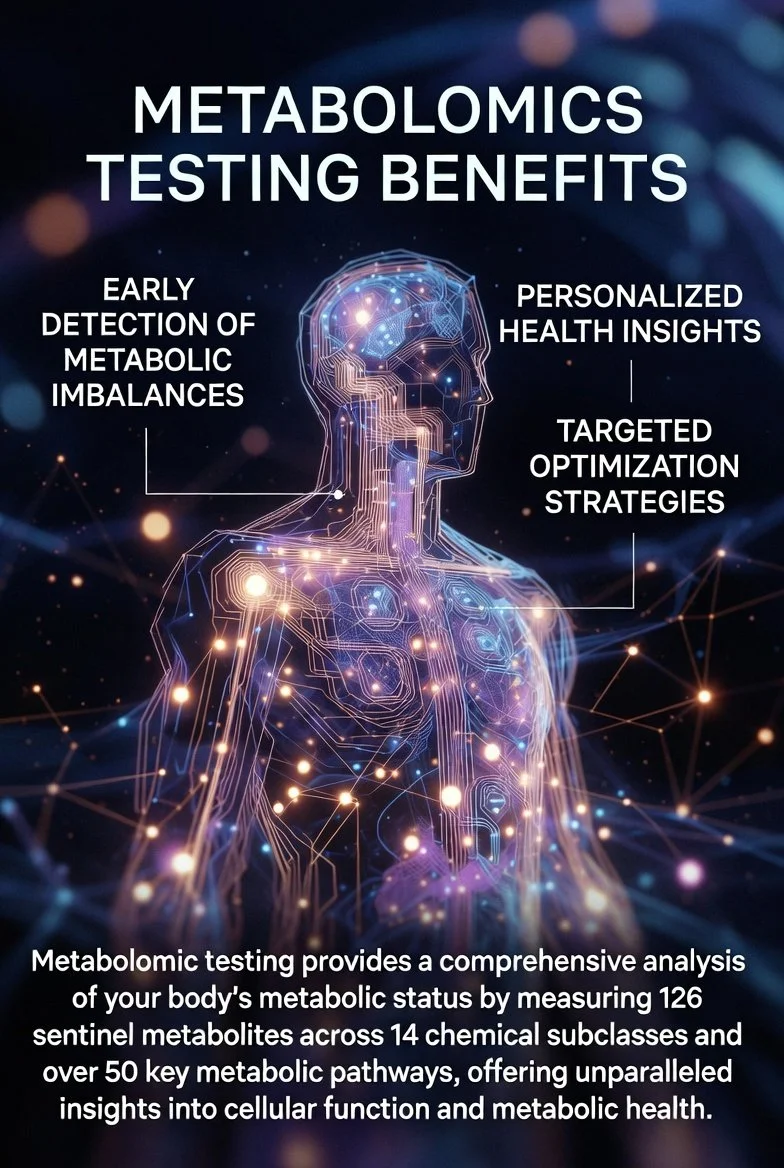
Benefits of Metabolomic Testing
Modern longevity medicine emphasizes that health is multi-layered — no one "omic" (genomics, proteomics, metabolomics, glycomics, etc.) captures everything. Integration through multi-omics approaches yields synergistic insights that are greater than the sum of parts, enabling true personalized, preventive, predictive, and participatory (P4) medicine.
For individuals pursuing optimal wellness stacking these tests — starting with accessible options like GlycanAge + biomarkers + mitochondrial function — offers a roadmap to slow aging, enhance resilience, and address issues at their roots. Always interpret results with a qualified provider, as these tools excel for insights and guidance, not standalone diagnosis.
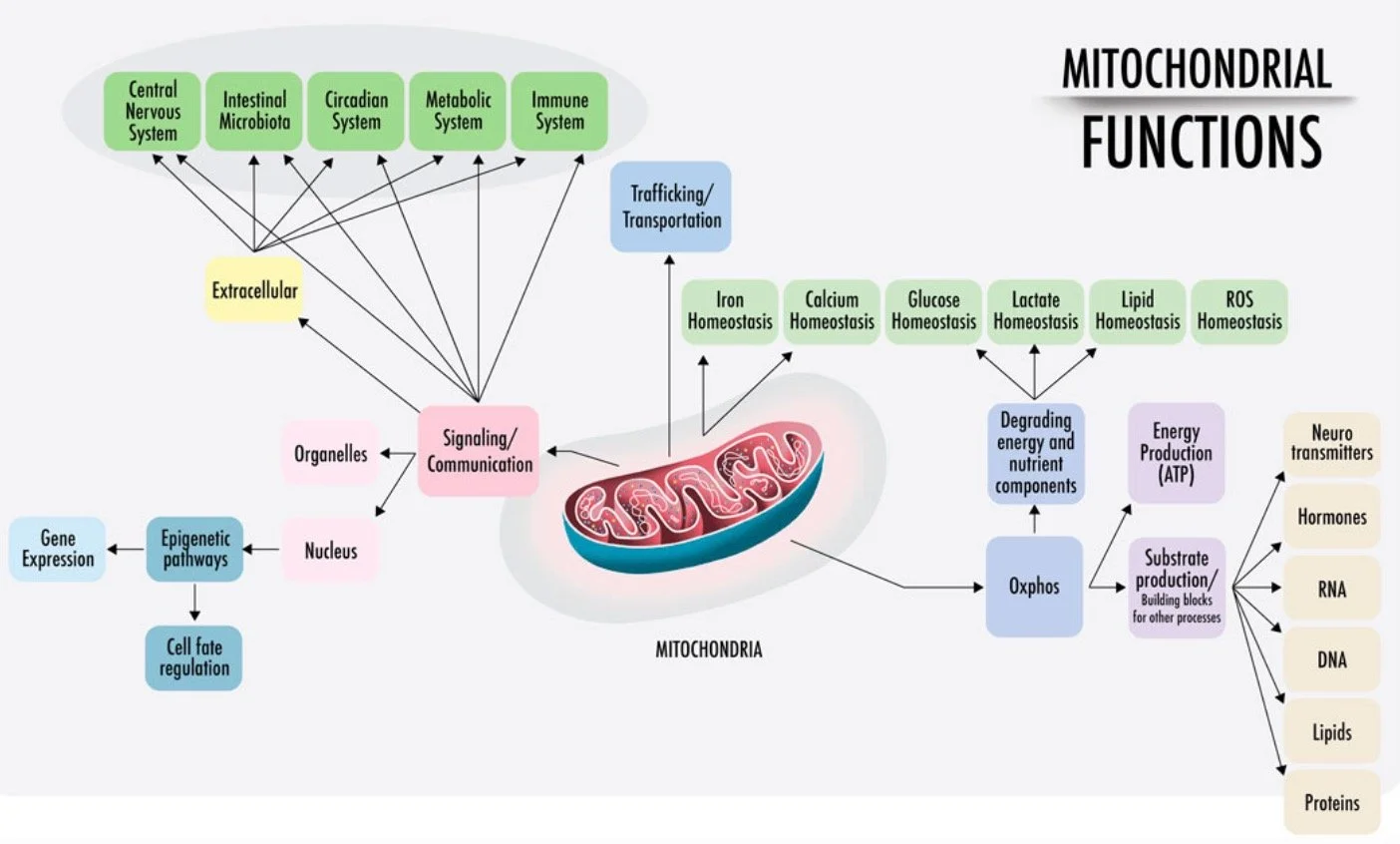
Mitochondrial Efficiency Testing
MeScreen® Mitochondrial Function Test – Key Benefits
The MeScreen Mitochondrial Function Test provides insight into how efficiently your cells are producing energy, offering a foundational view of overall metabolic and cellular health. By assessing mitochondrial performance, the test helps identify early signs of energy inefficiency that may impact fatigue, recovery, resilience, and aging.
Key benefits include:
Early insight into cellular energy health before symptoms appear
Objective data to guide personalized nutrition, lifestyle, and recovery strategies
Improved precision when prioritizing interventions that support energy, performance, and longevity
Actionable clarity on whether fatigue or low resilience may be rooted at the cellular level
Rather than guessing, MeScreen helps translate mitochondrial health into clear, data-informed next steps—supporting smarter decisions for long-term vitality and performance.
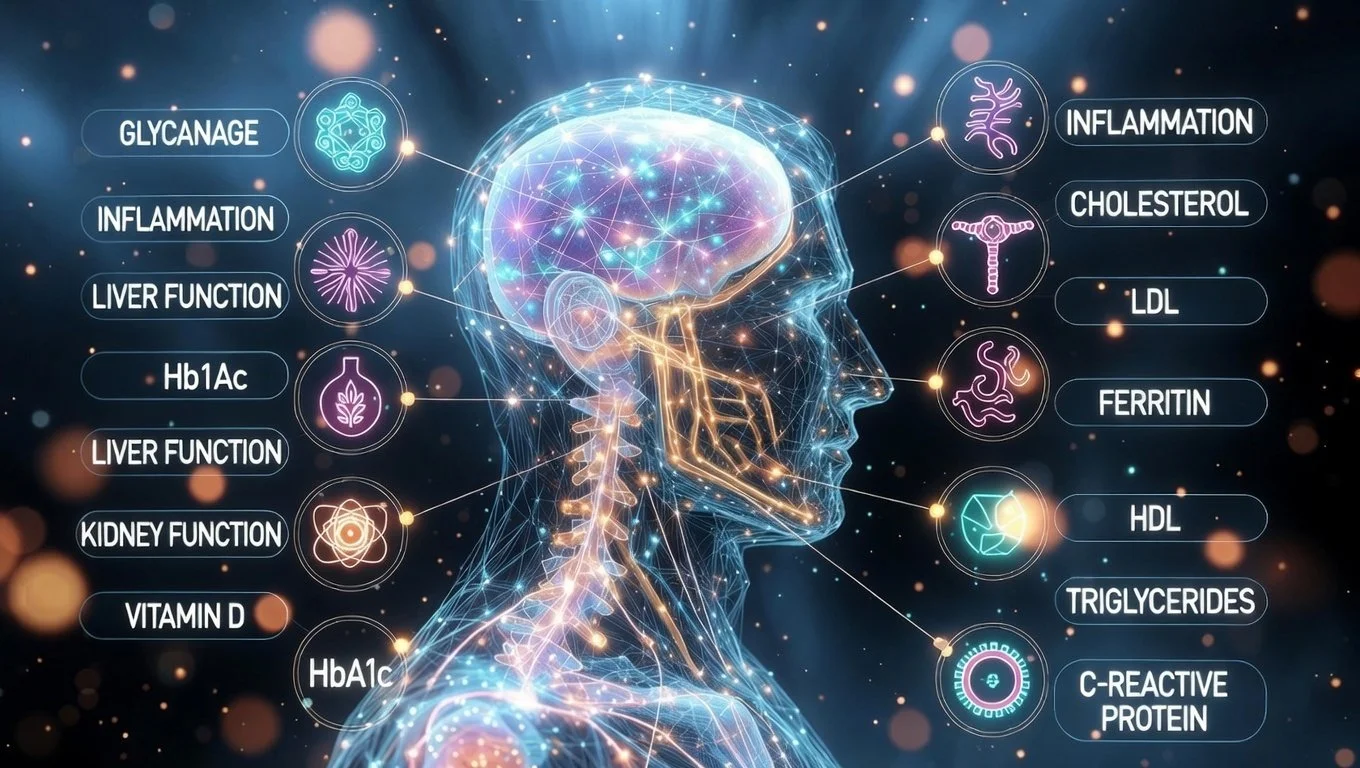
The Benefits of STACKing Biological Testing Instruments
Stacking biological testing — combining multiple advanced assays like advanced blood biomarker panels, GlycanAge (glycan-based biological age), mitochondrial efficiency testing (e.g., MeScreen), metabolomics (e.g., Theriome Aristotle), epigenetic clocks, and other multi-omics approaches — represents a powerful shift toward precision and preventive medicine. Rather than relying on a single test, "stacking" integrates diverse data layers to create a more complete, real-time picture of your health, biological aging, and disease risk. This holistic view far outperforms isolated tests, as it captures interconnected biological processes that no one marker can reveal alone.
Mold, Detoxing and Immune System Upgrades
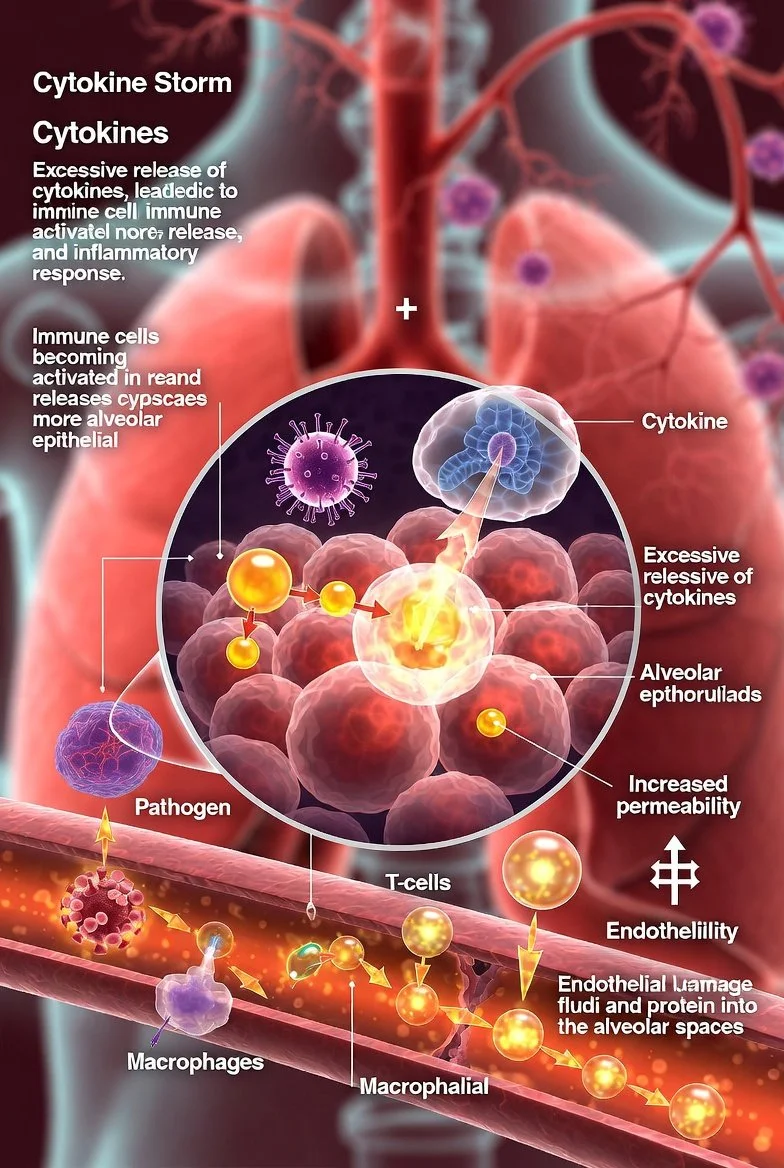
Mold exposure, particularly from toxic molds producing mycotoxins (like aflatoxins, ochratoxins, and trichothecenes), can harm the immune system in several ways. Mycotoxins often trigger chronic inflammation and oxidative stress, while also causing immune dysregulation — sometimes over-activating the immune response (leading to allergies, hypersensitivity, or excessive cytokine production) and other times suppressing it (e.g., reducing lymphocyte function, antibody production, or resistance to infections). This makes the body more vulnerable to pathogens, worsens conditions like asthma, and contributes to fatigue, brain fog, and multi-system symptoms in sensitive individuals.
Detoxing from mold (removing ongoing exposure and supporting the body's natural elimination of mycotoxins via the liver, gut, kidneys, and binders like activated charcoal or cholestyramine) helps by reducing this toxic burden. As mycotoxins clear out, inflammation decreases, oxidative damage lessens, and the immune system can recover balance — restoring proper function, lowering hypersensitivity, and improving overall resilience against infections and other stressors.
Many functional medicine approaches emphasize supportive nutrients (e.g., glutathione boosters, antioxidants like vitamin C, probiotics for gut health, and liver-supporting herbs) to aid recovery, though results vary by individual genetics, exposure duration, and health status.