The Six Pathway Methodology: Why Precision Medicine Demands Adaptive, Not Fixed, Frameworks
The problem with fixed-pathway thinking
Most clinical frameworks in functional and integrative medicine work like a checklist. You memorize a fixed set of intervention pathways — usually four to seven — and you apply them to every patient who walks through the door. Methylation. Detoxification. Mitochondrial support. Gut healing. Inflammation. Hormones. The same buckets, in roughly the same order, regardless of what's actually driving the patient's presentation.
This approach has a comforting structure to it. It feels rigorous because it's organized. It feels evidence-based because every bucket has citations behind it. And it produces protocols quickly because the practitioner is essentially filling in a template.
The problem is that it doesn't work very well.
A patient with early-stage atherosclerotic cardiovascular disease and a patient with early Parkinson's disease share virtually nothing in common at the intervention level. Their methylation status might be relevant to both — but where it sits in the priority order, what specific variants matter, what cofactors are needed, what testing confirms it, and what supplements actually move the needle are entirely different conversations. Forcing both patients through the same six or seven pathway buckets dilutes the protocol for each of them. The cardiovascular patient gets neuroinflammation interventions they don't need. The neurodegenerative patient gets vascular endothelial support that's not the leverage point.
What both patients deserve is a protocol built around the six pathways that matter most for their specific condition — not the six pathways someone decided are universally important.
What the Six Pathway Methodology actually is
The Six Pathway Precision Protocol System is a clinical methodology that identifies, for any given disease state, the six intervention pathways with the highest evidence-based impact on disease modification, symptom resolution, and long-term outcomes for that specific condition.
The methodology rests on three premises:
First, every disease state has its own most-leveraged intervention pathways. The pathways that matter most for ASCVD are not the pathways that matter most for cognitive decline. The pathways that matter most for autoimmune flare are not the pathways that matter most for metabolic dysfunction. Treating the pathway list as universal is a category error — a confusion of clinical organizing structure with clinical truth.
Second, six is a meaningful number. Fewer than six and you lose clinical scope — important contributing factors get ignored, and the protocol becomes too narrow to address the multifactorial nature of chronic disease. More than six and you exceed both the patient's adherence capacity and the clinician's ability to monitor outcomes meaningfully. Six pathways, each addressed with focused intervention, gives you enough breadth to honor disease complexity and enough discipline to produce a protocol the patient can actually follow.
Third, pathway selection must be driven by current research, not by training-era beliefs. Clinical evidence in chronic disease is moving fast. The intervention pathways that mattered most for, say, neurodegenerative disease in 2015 are not the ones that matter most today. Mitochondrial biology, glymphatic clearance, peripheral inflammation contributions, microbiome-derived metabolites — entire pathway categories have moved up the priority list as evidence has accumulated. A methodology that doesn't continuously update against the literature becomes a museum piece.
How pathway selection actually works
The Six Pathway System maps a patient's specific clinical picture against a distinct database built from current research with intelligent searching. The database is organized by disease state and pathway, with each pathway carrying weight based on the strength of evidence and magnitude of clinical effect documented in the peer-reviewed literature for that specific condition.
When a patient presents — with their genetic data, their lab findings, their symptom profile, their disease state, and their personal history — the methodology identifies which six pathways carry the most clinical leverage for that exact combination. The six chosen pathways are not "the universal pathways with this patient's data plugged in." They are the six pathways that matter most for this specific patient's specific clinical picture.
Two patients with the same disease state but different genetic variants and lab findings will not necessarily get the same six pathways. A patient with metabolic dysfunction and a strong CYP detoxification deficit will have an environmental burden pathway prioritized that another metabolic patient without the variant may not need at the same depth. A patient with autoimmune disease and elevated TGF-beta and Th17 dominance will have an immune polarization pathway emphasized differently than an autoimmune patient with a different cytokine profile. The methodology adapts to who the patient actually is.
This is the difference between precision medicine and personalized medicine as marketing terms versus precision medicine as a real clinical practice. Most "personalized" protocols are universal protocols with the patient's name on top. Real precision means the clinical reasoning itself adapts to the individual.
How this fits with the Four Horsemen and Four Hingepins
The Six Pathway System sits inside a larger teaching architecture that organizes how we think about disease, drivers, and intervention.
The Four Horsemen — atherosclerotic cardiovascular disease, cancer, neurodegenerative disease, and metabolic dysfunction — are what kills. They are the disease categories responsible for the overwhelming majority of premature mortality in developed populations, and they share enough biological substrate that addressing one often addresses the others.
The Four Hingepins — mitochondrial insufficiency, microbiome dysbiosis, membrane and lipid biology, and toxic and inflammatory burden — are the upstream biological drivers that, when dysregulated, give rise to the Four Horsemen. They are the leverage points behind the disease categories, the answer to the question "what biology actually breaks first?"
The Six Pathway System is how clinical intervention happens. Once a patient's condition is understood through the lens of which Horseman is in motion and which Hingepins are dysfunctional, the Six Pathway System identifies the six most impactful intervention pathways to actually treat the patient — protocol-by-protocol, supplement-by-supplement, test-by-test.
In other words: the Horsemen tell you the destination if nothing changes. The Hingepins tell you what's broken upstream. The Six Pathways tell you what to do about it.
Why pathway differentiation across disease states matters
To make this concrete: consider how pathway emphasis changes across the Four Horsemen.
For atherosclerotic cardiovascular disease, the highest-impact pathways tend to involve lipoprotein biology, endothelial function, inflammatory cascade modulation, methylation and homocysteine regulation, mitochondrial efficiency in cardiac and vascular tissue, and oxidative stress balance. Hormone-driven pathways may matter, but they sit lower in priority order than they would for, say, hormone-sensitive cancers.
For neurodegenerative disease, the highest-impact pathways shift substantially. Glymphatic clearance, neuroinflammation, peripheral-to-central inflammatory signaling, mitochondrial bioenergetics in neuronal tissue, microbiome-derived neurotransmitter precursors, and toxic burden affecting CNS resilience all tend to rise. Lipoprotein biology may still appear, but its position and what's done about it differs meaningfully from the cardiovascular protocol.
For cancer, oncogenic signaling pathways, hormone metabolism (especially estrogen pathway dynamics), immune surveillance and Th1/Th2/Th17 balance, methylation and DNA repair, mitochondrial metabolism through the Warburg lens, and inflammatory signaling become the highest-leverage areas. The same patient with the same genetic data, but presenting with a different cancer type, would see different pathway emphasis again.
For metabolic dysfunction, insulin sensitivity and the broader glucose-insulin axis, hepatic lipid handling, microbiome-derived short-chain fatty acid status, mitochondrial substrate flexibility, hormone-driven adiposity dynamics, and inflammatory cascade activity tend to dominate.
In each case, the methodology is the same. The pathways are different. That is the entire point.
What this means for practitioners
For most precision longevity practitioners, the bottleneck on practice growth is not skill. It's time.
Three to six hours of literature review per complex client, before a single protocol decision is made. Evenings and weekends spent mapping genetic variants against current research. Caseload capped not by clinical expertise but by cognitive bandwidth. Generic AI tools that feel untrustworthy for clinical decision-making. Inconsistent retest cadence because the protocol design phase has already consumed the available hours.
The Six Pathway System solves this by codifying the methodology — the clinical reasoning, the pathway weighting, the disease-state-specific prioritization, the genetic and lab integration — into a system that can be applied at the speed of practice rather than at the speed of literature review. The methodology is the proprietary asset. The system that delivers it is what makes the methodology accessible at the volume real clinical practice demands.
Practitioners who use the system don't get a better-sized template. They get individualized clinical reasoning, applied to each patient, in less time than it would take to read the abstracts of the relevant papers. That capacity to serve more complex clients at the same depth — without losing nights and weekends to research — is what turns a precision longevity practice from a low-volume specialty into a sustainable business.
A note on what comes next
The Body MAX Harmonics Practitioner Membership opens applications periodically through the Research Cohort, where a small group of practitioners gain access to the full system, contribute to its refinement, and shape how the methodology continues to develop.
If the Six Pathway approach resonates with how you already think about chronic disease — and if the gap between how good your clinical reasoning could be and how much time you have to do that reasoning is what's holding your practice back — applications are open at www.bodymaxharmonics.com/bmh-program.
The methodology is the work of more than two decades of clinical practice in precision longevity. The system that delivers it is what makes that methodology available to your patients today.
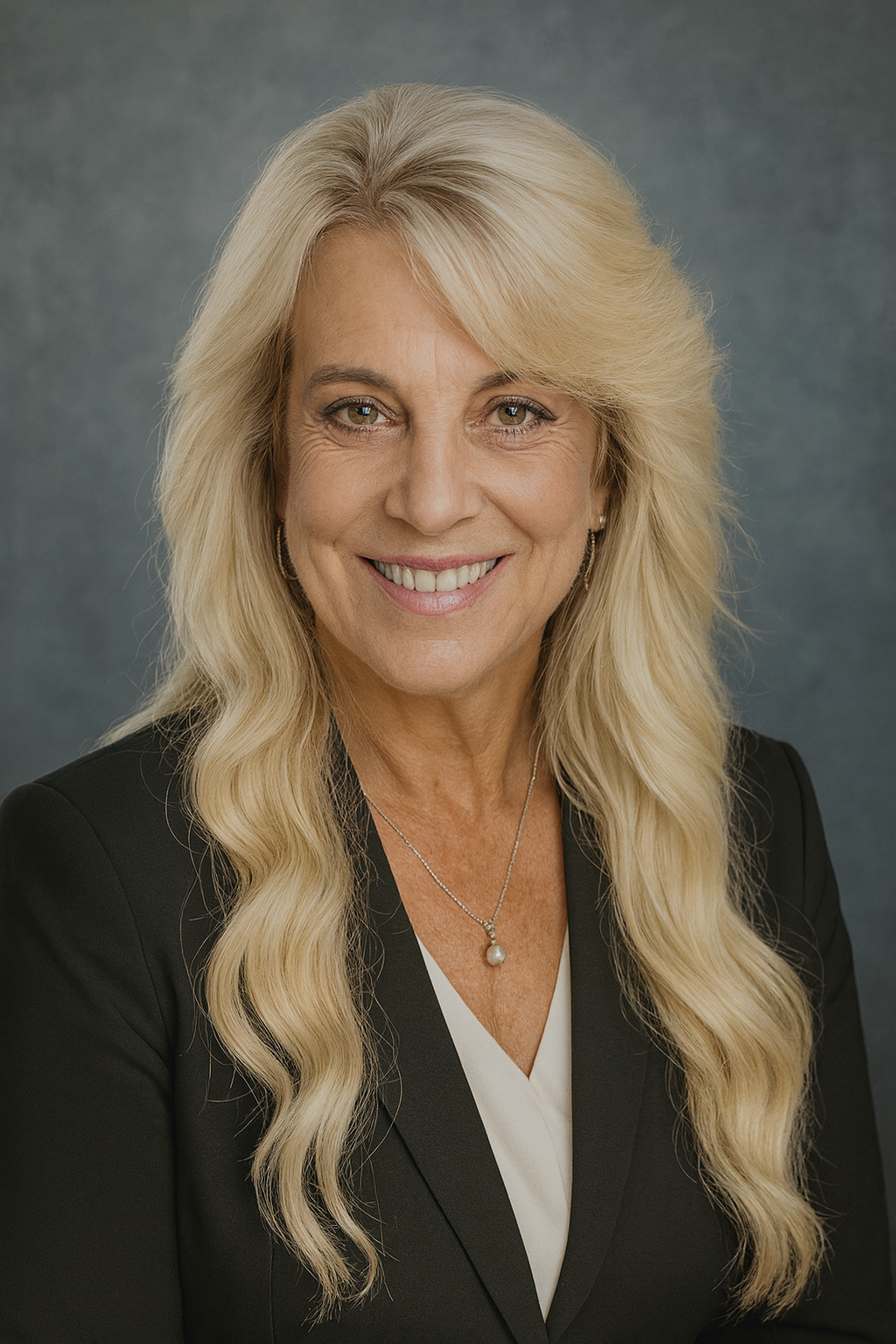
Dr. Lily Woods, PhD is the founder of Body MAX Harmonics, a precision longevity and regenerative health practice based in Alexandria and Willmar, Minnesota. She developed the Six Pathway Precision Protocol System over twenty years of clinical work and now offers it to licensed practitioners through the BMH Practitioner Membership program.