

Precision Health Protocols for Practitioners — Condition-Specific Frameworks for Clinical Application
Body MAX Harmonics is a wellness education membership for licensed and certified health practitioners. Developed by Dr. Lily Woods, PhD a dedicated alternative health and wellness practitioner, the program provides organized protocol frameworks, condition-specific reference materials, certification programming, and a curated professional community — all designed to support your practice development as a licensed clinician or Health Practitioner.
Program Value Propositions
-
Every Body MAX Harmonics protocol is a wellness education framework organized for practical reference — condition-specific, evidence-referenced, and structured for a licensed practitioner to evaluate and apply within their own scope.
-
Body MAX Harmonics is a wellness education platform. Dr. Lily Woods, PhD and her team are not licensed healthcare providers. What you receive is organized knowledge. What you bring is clinical judgment. Together, that combination serves your clients well.
-
Weekly live calls, individual education support requests, and monthly Q&A sessions give you direct access to the professional behind every protocol in the library — for educational discussion, not clinical consultation.
-
Connect with a curated group of licensed and unlicensed, certified practitioners who share your commitment to precision health. Ask questions, share implementation insights, and grow alongside peers who hold their own professional standard of care.
-
Options to Participate in Ongoing Research LIKE:
Active and Priority Research Studies
1) PPMI — Parkinson's Progression Markers Initiative
2) Gut Microbiome and Neurological Wellness Research
3) GLP-1 Receptor Agonist Trials in Dopaminergic Neurological Biology
4) Urolithin A and Mitophagy Research
5) Plasmalogen and Membrane Biology Research
**A note from Dr. Lily Woods, PhD: I am an alternative health and wellness practitioner, not a licensed physician, dietitian, or other state-credentialed healthcare provider. Everything I share through Body MAX Harmonics is wellness education — organized, evidence-referenced, and developed with care — but it is your clinical expertise, your license, and your judgment that brings it to your clients. This program is built for practitioners who want to expand their functional knowledge base and implement precision health frameworks under their own professional authority.
All Memberships REQUIRE an Application and Approval

Practitioner Membership Benefits:
Sample Protocols:
-
Mucosal Barrier Restoration | Intestinal Inflammation | Gut Microbiome Balance | Nutrient Absorption Support
This wellness education framework supports the biological environment of the intestinal tract, addressing mucosal barrier integrity, the gut-associated lymphoid tissue interface, intestinal microbiome diversity, and the nutritional environment relevant to mucosal healing. It includes nutrient repletion strategies for compromised absorption, anti-inflammatory dietary frameworks, and microbiome-supportive nutrition. Licensed practitioners may apply this framework to clients with gut wellness goals at their own clinical discretion.
"Wellness education for the intestinal environment, from mucosal lining to microbiome."
-
Systemic Inflammation Reduction | Complement Pathway Nutrition | Skin & Connective Tissue Support | Kidney Wellness
This wellness education framework addresses the biological environment of systemic immune dysregulation and chronic connective tissue inflammation. It covers omega-3 and polyphenol-based anti-inflammatory nutrition, vitamin D and immune regulation, UV protection-adjacent lifestyle frameworks, renal wellness nutrition, and the oxidative stress environment in systemic inflammation. Licensed practitioners may apply this framework to clients with immune and connective tissue wellness goals at their own clinical discretion.
"Wellness education for the systemic inflammatory environment and connective tissue support."
-
Thyroid Autoimmune
This wellness education framework addresses the biological environment relevant to thyroid health and thyroid immune wellness. It covers the gut-thyroid axis, selenium and iodine balance for thyroid peroxidase function, T4-to-T3 conversion support, environmental toxin reduction, and the nutritional environment of thyroid immune regulation. Licensed practitioners may apply this framework to clients with thyroid and metabolic wellness goals at their own clinical discretion.
"Supporting the nutritional and biological environment of thyroid function and immune wellness."
-
Histamine Clearance | DAO Enzyme Support | Mast Cell Stability Nutrition | Low-Histamine Dietary Frameworks
This wellness education framework supports the biological environment relevant to histamine metabolism, immune threshold regulation, and mast cell stability. It covers diamine oxidase (DAO) enzyme support nutrition, low-histamine dietary frameworks, quercetin and natural mast cell stability agents, and the gut-immune environment relevant to heightened immune reactivity. Licensed practitioners may apply this framework to clients with immune reactivity and histamine wellness goals at their own clinical discretion.
"Wellness education for histamine metabolism and immune threshold balance."
-
Immune Resolution | Mitochondrial Restoration | Autonomic Nervous System Rebalancing | Viral Persistence Reduction
This wellness education framework addresses the biological environment relevant to recovery from viral illness and the restoration of cellular energy systems. It covers mitochondrial biogenesis support, immune resolution and anti-inflammatory nutrition, vagal tone and autonomic nervous system wellness, neuroinflammation reduction, and microbiome restoration following immune disruption. Licensed practitioners may apply this framework to clients with post-viral recovery wellness goals at their own clinical discretion.
"Supporting the biological environment of recovery, resilience, and cellular energy restoration."
-
Substance use disorders (SUDs) are now increasingly understood as systemic disorders of the gut-brain axis, not exclusively brain conditions. The gut microbiome bidirectionally co-regulates the same dopamine, serotonin, GABA, and glutamate circuits that substances of abuse target. Gut dysbiosis creates the neurochemical vulnerability to addiction and drives craving and relapse independent of conventional CNS-targeted interventions. HOCl oral protocols and probiotic seeding address this gut-brain component of addiction as a pharmacologically novel and complementary intervention.
-
Dermatological conditions represent a uniquely compelling application space because HOCl operates simultaneously through two distinct pathways: oral administration targeting the gut-skin axis upstream, and topical application acting locally on skin biology. The gut-skin axis theory describes bidirectional communication between gut microbiota and skin health mediated by immune, metabolic, and neuroendocrine pathways. Two-sample Mendelian randomization (2024) confirmed causal relationships between gut microbiota and four common inflammatory skin diseases: eczema, acne, psoriasis, and rosacea.
-
HOCl oral intervention targeting F. nucleatum at its oral source is a rational, evidence-supported CRC prevention strategy. HOCl at 45–60 ppm is effective against F. nucleatum in the presence of saliva.
F. nucleatum and P. gingivalis have been identified in pancreatic ductal adenocarcinoma and breast tumor tissue. Clinical studies report elevated F. nucleatum abundance in breast tumors, with bacterial load correlating positively with tumor size and disease progression. F. nucleatum-derived small extracellular vesicles promote cancer cell proliferation, migration, and invasion. The estrobolome — gut microbial genes mediating estrogen conjugation — links oral and gut dysbiosis to estrogen-driven cancers (breast, endometrial) through elevated beta-glucuronidase activity increasing circulating bioavailable estrogen. Oral HOCl reduction of F. nucleatum and P. gingivalis burden is an upstream prevention intervention applicable across all solid tumors with documented oral-origin pathobiont presence.
-
Mitochondrial Energy | Neuroinflammation | Oxidative Balance | Dopamine Pathway Nutrition
This wellness education framework addresses the biological systems most relevant to dopaminergic neuron health and neuromotor function. It covers mitochondrial energy production, neuroinflammation modulation, oxidative stress reduction, dopamine precursor nutrition, the gut-brain axis in neurological wellness, and environmental toxin burden support. Licensed practitioners may apply this framework to clients with neuromotor health goals at their own clinical discretion.
"Supporting the biological environment of the nervous system, from the gut to the neuron."
-
Brain Energy Metabolism | Amyloid Clearance Pathways | Neuronutrition | Vascular Brain Health
This wellness education framework supports the biological systems most closely associated with cognitive longevity and brain health across the lifespan. It covers brain energy metabolism (glucose and ketone utilization), neuroinflammation modulation, amyloid and tau clearance pathway support, cerebrovascular wellness, sleep-dependent glymphatic function, and neuronutrition. Licensed practitioners may apply this framework to clients with cognitive wellness goals at their own clinical discretion.
"Nourishing the brain's biological environment for long-term cognitive wellness."
-
Th1/Th2/Th17 Modulation | Gut Immune Interface | Molecular Mimicry Reduction | Regulatory T-Cell Support
This wellness education framework addresses the biological systems underlying immune dysregulation and chronic systemic inflammation. It covers gut barrier integrity (the gut-immune interface), Th1/Th2/Th17 immune pathway balance, regulatory T-cell support nutrition, molecular mimicry reduction strategies, and the inflammatory signaling environment. Licensed practitioners may apply this framework to clients with immune wellness goals at their own clinical discretion.
"Supporting the foundational biological environment of immune regulation and self-tolerance."
-
Myelin Integrity Nutrition | Neuroimmune Balance | Vitamin D & Immune Modulation | Mitochondrial Neuroprotection
This wellness education framework addresses the biological systems relevant to myelin integrity, neuroimmune balance, and neuroprotection. It covers myelin-supportive micronutrient nutrition, the role of vitamin D and omega-3 fatty acids in neuroimmune modulation, mitochondrial neuroprotection, oxidative stress reduction in the central nervous system, and the gut-brain-immune axis. Licensed practitioners may apply this framework to clients with neuroimmune wellness goals at their own clinical discretion.
"Nutritional support for the biological environment of myelin health and neuroimmune balance."
-
Motility & Gut Architecture | Mucosal Lining Integrity | Microbiome Rebalancing | Digestive Enzyme Support
This wellness education framework addresses the biological environment of the small intestine, with a focus on motility regulation, mucosal lining integrity, digestive enzyme sufficiency, and microbiome rebalancing. It covers dietary approaches to reduce fermentable substrate load, motility-supportive nutrition, antimicrobial botanical reference education, and microbiome restoration sequencing. Licensed practitioners may apply this framework to clients with digestive wellness goals at their own clinical discretion.
"Restoring the small intestinal environment to support digestive wellness and microbiome balance."
-
The gut-brain axis mediates mood through serotonin precursor production (90–95% of serotonin is gut-derived), GABA production by Bifidobacterium adolescentis, tryptophan metabolism via the kynurenine pathway (disrupted in depression), and HPA axis cortisol regulation by gut commensals. Dysbiosis shifts tryptophan away from serotonin synthesis toward kynurenine, reducing serotonergic tone and impairing mood regulation. L. rhamnosus modulates GABA receptor expression in the brain via the vagus nerve — demonstrating that specific probiotic strains have direct neuropharmacological mechanisms. Oral microbiome dysbiosis was shown to correlate with HPA axis response to psychosocial stress (Scientific Reports, 2024).
-
Gut dysbiosis elevates systemic IGF-1 and androgen signaling, promoting sebaceous hyperactivity. Dysbiotic C. acnes (type IA1) activates TLR-2 and -4, triggering follicular inflammation. Mendelian randomization (2024) confirmed causal gut-acne relationship. A double-blinded RCT confirmed HOCl superoxidized solution equivalent to benzoyl peroxide in reducing inflammatory acne lesions. HOCl's absence of antibiotic resistance induction is critical given escalating C. acnes resistance globally. L. rhamnosus SP1 reduced IGF-1 signaling and acne severity in a published RCT.
-
Post-nasal drip is postulated to stem from dysfunction of normal mucus clearance mechanisms, though there is no definitive evidence elucidating an exact pathophysiology, and there is no objective assessment tool — clinicians must rely on subjective complaints and validated patient-reported outcome instruments such as the Sino-Nasal Outcome Test.
The LPR point is critical and often missed: a meaningful proportion of patients presenting with chronic throat-clearing and the sensation of post-nasal drip actually have LPR as the primary driver, with mucus as a secondary response to acid/pepsin irritation of the posterior pharynx and larynx. Post-nasal drip can be caused by various nasal diseases including allergic and non-allergic rhinitis, sinusitis, and nasal polyps, but it is also related to diseases of the nasopharynx such as laryngopharyngeal reflux disease. PubMed Central HOCl nasal treatment addresses sinonasal-origin PND well, but will have no impact on LPR-origin PND — and those patients need to be identified and treated differently.
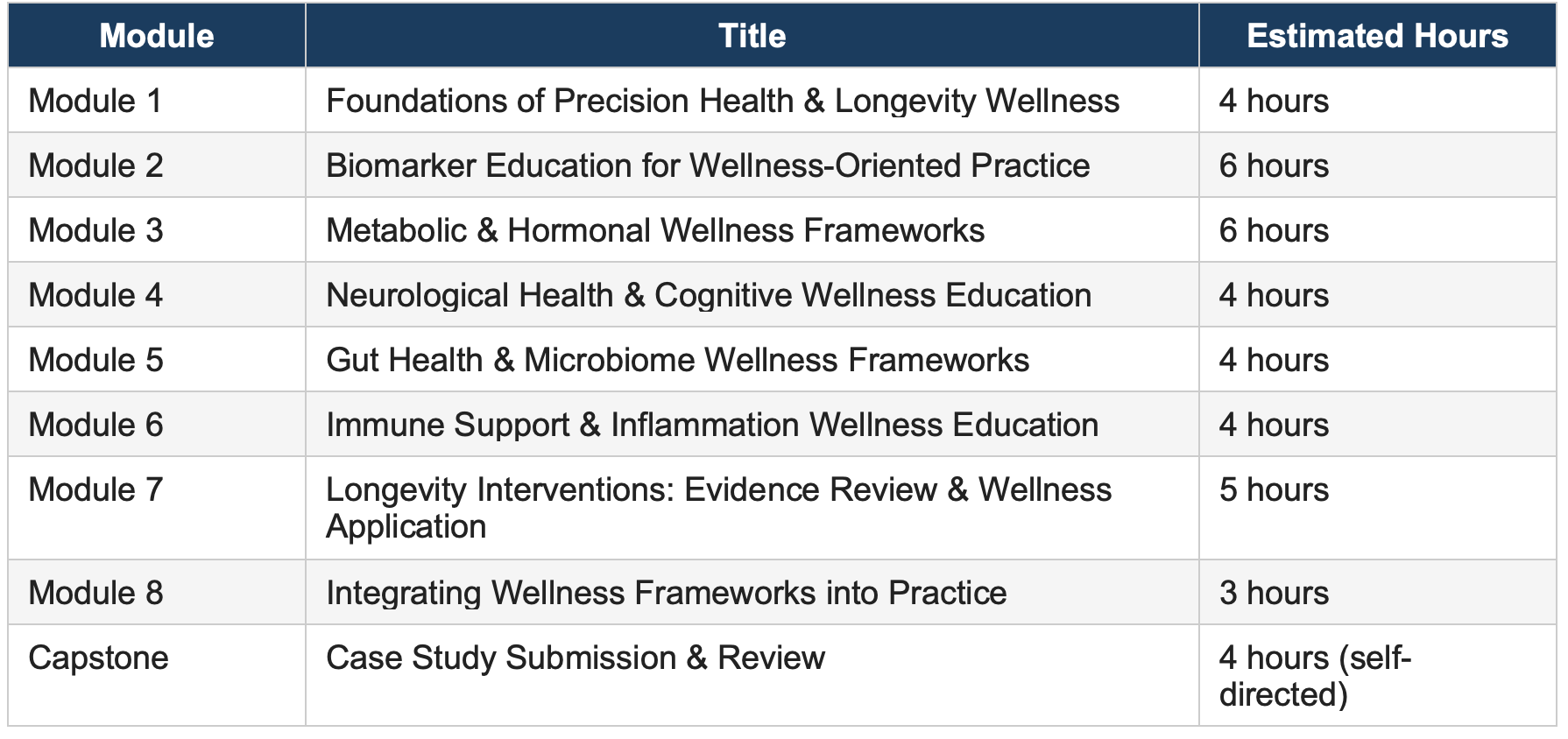
Body MAX Harmonics Certification Program (BMH-CPHP)
FAQs
-
No. These materials are created for licensed AND unlicensed health and wellness practitioners. All Body MAX Harmonics materials have been created to conform with wellness education resources with the ability of the practitioner to apply them to their practice as they see fit.
-
No. Protocols are wellness education frameworks. You, as a licensed or certified practitioner, are responsible for evaluating their appropriateness for any individual client and applying them within your scope of practice.
-
No. There is no healthcare relationship between Body MAX Harmonics, Dr. Lily Woods, PhD, or any Body MAX Harmonics staff and your clients. Your professional relationship with your clients is yours alone.Description text goes here
-
Individual support responses are wellness education commentary from a Body MAX Harmonics specialist on protocol selection and framework application. They are not clinical consultations, diagnoses, or prescriptions from a licensed provider.
-
Yes. All members are expected to carry appropriate professional liability or malpractice insurance for their credential type. Body MAX Harmonics does not insure members against clinical liability.